

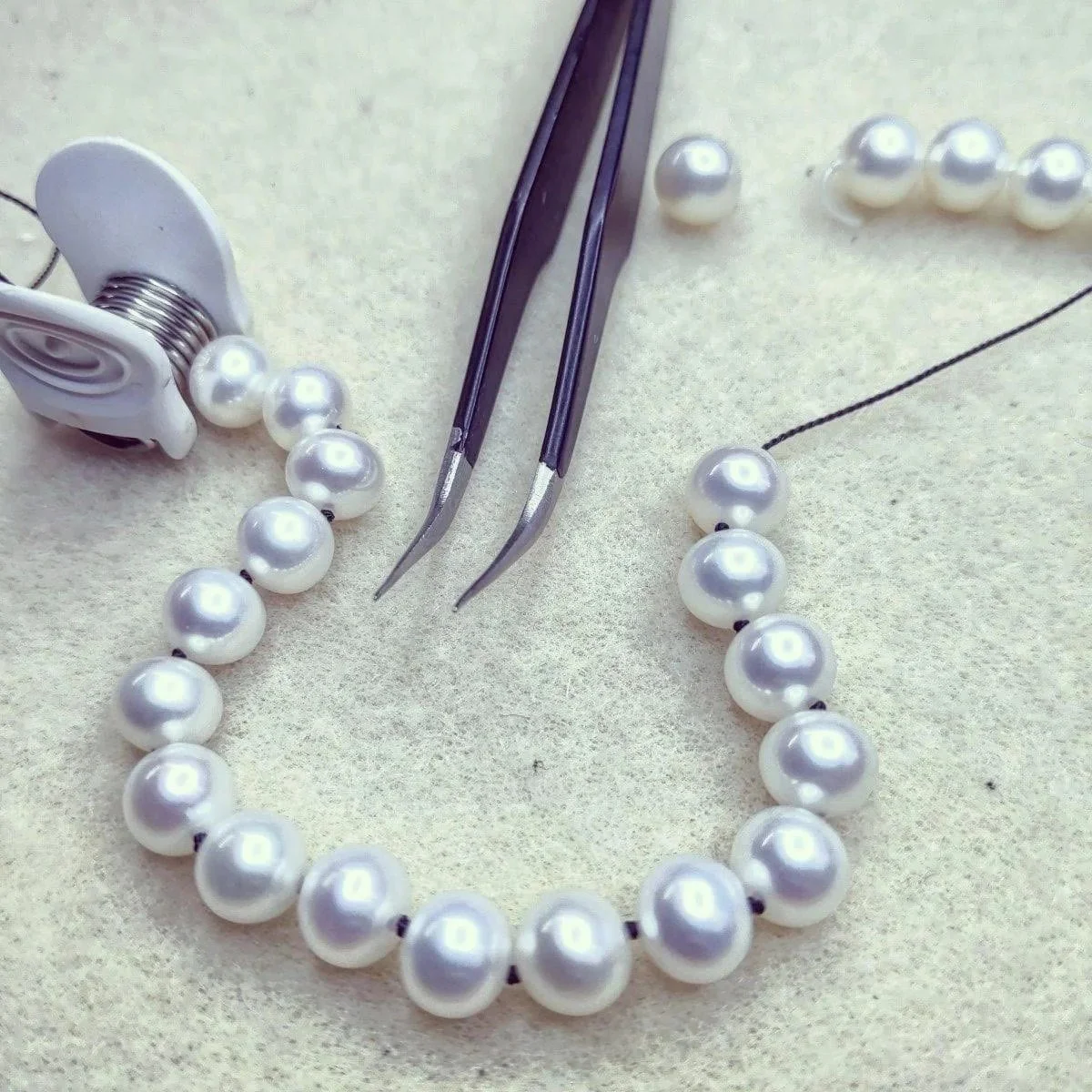
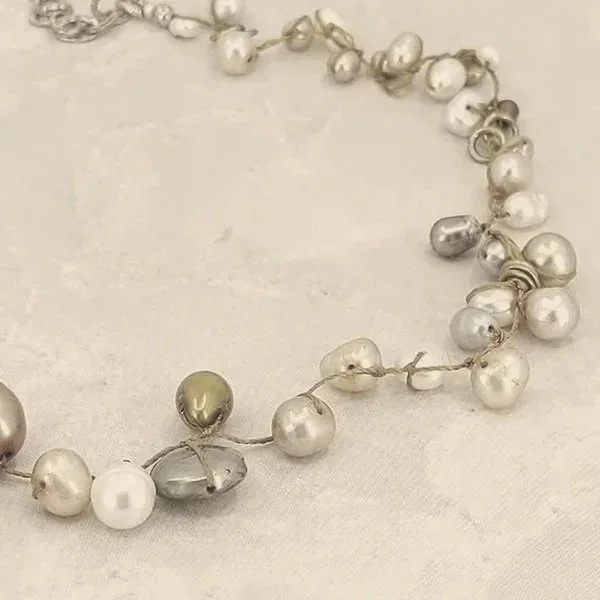
Locals swear that Lisa Sirlin-Hall is the southwest’s most trusted specialist in restringing and knotting your pearl necklaces, pearl bracelets, and beaded jewelry.
What are the perks?
Complimentary assessment of your pearl or bead stringing needs, including price quote
studio visits by appointment
curbside drop-off and pick-ups in the greater Tucson area
free, secure, tracked shipping for clients in Los Angeles
Comprehensive Jewelry Care
Why should you have your pearls restrung? Over time, the silk or wire holding your pearls together can wear out, but my old-school, by-hand method is 100% successful in returning your favorite pearl jewelry to like-new condition.
Whether you need a complete necklace overhaul or a pearl bracelet repair, I promise to provide fantastic customer service and meticulous craftsmanship on every strand. What can I do for you?
Precision Knotting: I use traditional silk (or vegan silk on request) and create carefully balanced knots to ensure your pearls remain securely in place.
Hardware & Customization: From clasp replacement and repair to custom length adjustments, I can tailor your jewelry to your perfect (current) fit and style.
Restoration: I always include a professional cleaning to remove buildup, followed by a final inspection under a magnifier to guarantee structural integrity.
When is it time to consider restringing?
Because silk naturally stretches and absorbs oils, I recommend a professional assessment every two to three years. However, if you notice any of the following warning signs, make an appointment today:
Strand Stretching: Visible gaps between pearls or a necklace that hangs lower than usual.
Thread Degradation: Fraying, thinning, or noticeable discoloration of the cord.
Shifting Knots: Loose knots that allow pearls to rub against one another.
Security Issues: A loose or difficult-to-operate clasp that puts the piece at risk of loss.
By investing in regular maintenance, you prevent accidental breakage and ensure your heirloom pearls remain a stunning centerpiece of your collection for generations.
Most people want to know, “What does pearl restringing cost?” My rates vary, based on the details below.
Pearl Restringing Prices
The cost (between $6 and $20 per inch) to restring and reknot your pearl jewelry is based on:
Length of each strand
How many strands
Size(s) of your pearls or beads
*Clasps or other hardware are quoted separately
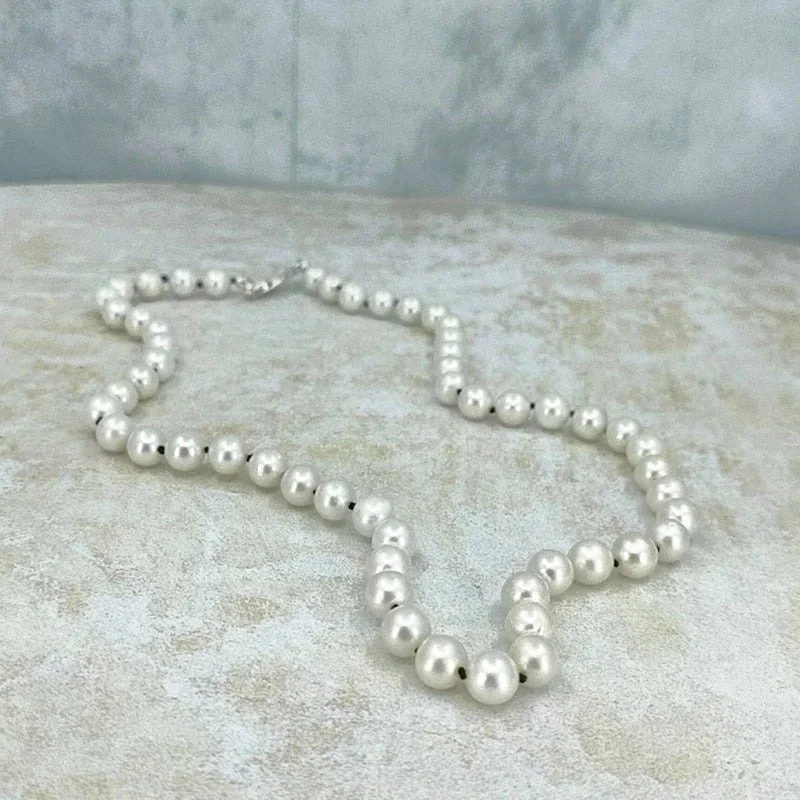
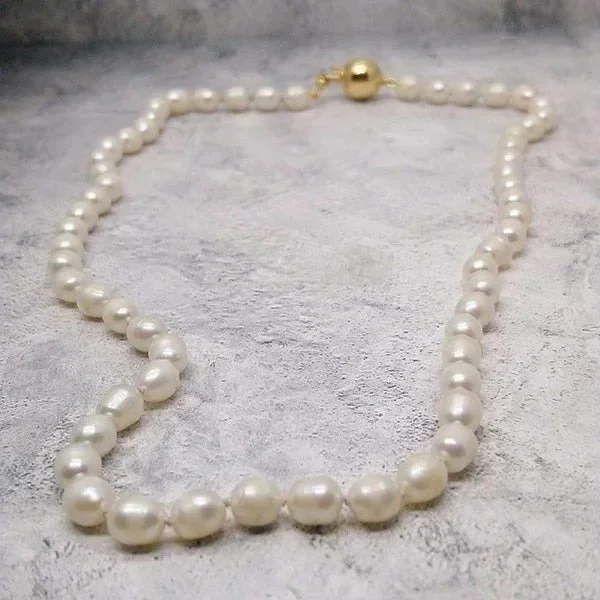
I'm Lisa Sirlin-Hall. I offer 25+ years of expertise in pearl necklace restringing, bead knotting and weaving, silver and gold jewelry fabrication, and complex bead artistry.
My clients (individuals and famous jewelry brands) are all over the country. Most people think of me as a “secret find”. Here’s a selfie of me with one of my favorite ’70s TV superstars, Marion Ross, aka “Mrs. C” on Happy Days. (That’s "Mrs. C" on the left)
Marion was on a book-signing tour and wanted to “refresh” her 90-inch 😮 pearl necklace she’d picked up in Hong Kong.

Services Include:
Pearl restringing
Gemstone bead stringing
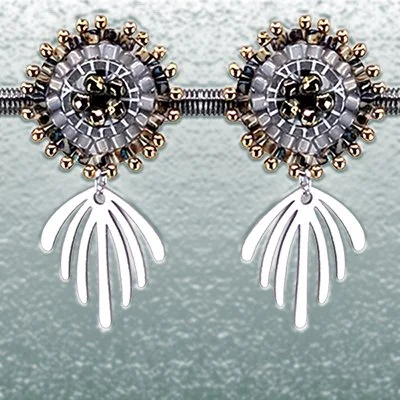
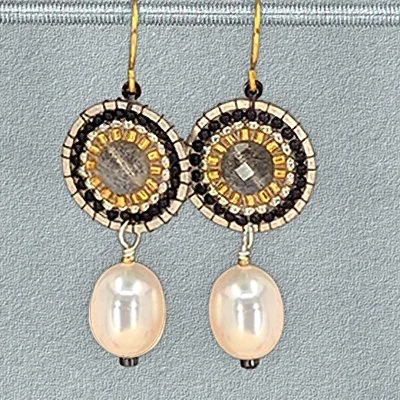
Custom pearl jewelry designs
Bridal party jewelry
Pearl necklace restoration
Vintage bead stringing and cleaning
Free video and in-studio consultations
Curbside studio drop off, pick up, and delivery in the greater Tucson area
Price estimate in 24 hours
90-day guarantee against breakage
Rush wedding services
Traditional metalsmithing and gemstone jewelry design
Pearl Restringing FAQ
How do you knot and string pearls for clients?
First, I count every pearl, measure the average diameter, count the number of strands, and determine the strand(s) length, without the clasp.
All my pearl stringing is done with small, finely pointed stainless steel tweezers. I do not recommend using eyebrow tweezers or special tools, as they can cause gaps between knots or (even worse) a too-tight strand that can easily snap when worn.
My process is never rushed, and loving care goes into every step. It doesn't matter if your necklace is strung with AAA Akoya pearls or plastic beads; every bead gets individual attention. 😍 It's an old-school method for a secure, long-lasting result.
Can you work with faux pearls or other kinds of beads (e.g., non-pearls)?
Absolutely! I can do wonders with Swarovski pearls, fake pearls, gemstone beads, plastic beads, or even metal beads. Pricing is based on effort and complexity, not the bead material.
How long does a restringing take?
Depending on the complexity, it typically takes from 2 days to 2 weeks. Yes, I can accommodate rush jobs (like an upcoming wedding) for an additional fee.
How do I get the best pearl restringing in Tucson, Arizona?
How do I care for my pearls and keep them looking great?
Pearls are delicate and require special care to maintain their natural beauty. While stunning and timeless, everyday activities can ruin the pearls’ lustrous surface if you're not careful. Here's how to ensure your pearls stay lustrous and beautiful for years.
Cosmetics like perfume, hairspray, and sunscreen contain chemicals that can dull the shine of your pearls. The natural oils from your skin and perspiration can also damage them over time. To protect your pearls, it’s a good idea to put them on after you’ve applied makeup or body care products, and remove them before you start your evening routine. Remember, pearls should be the last accessory you put on and the first you take off.
After wearing your pearls, gently wipe them with a damp, soft cloth to remove any buildup that could harm their surface. It’s essential to keep your pearls away from other jewelry, like rings or bracelets, which can scratch them. Always use a soft cloth pouch or a soft-lined jewelry box to store your pearls. Avoid storing them in airtight containers, such as Ziplock bags, as this can cause your pearls to dry out and lose their luster.
By following these simple steps, you can help your pearls stay as beautiful and shiny as the day you got them!
Can you clean the thread on my pearl necklace instead of restringing it?
It’s best to replace the thread rather than try to clean it. Washing the thread can weaken the knots, stretch the strand, or expose your pearls to harsh soaps that may dull their luster.
Regular restringing keeps your pearls secure and ensures they remain a timeless treasure for years to come. If you’re looking for a professional pearl stringing service, consider finding a trusted jeweler specializing in delicate pearl care.
How should I store my pearls?
Pearls are stunning and timeless, and need proper care to stay beautiful for years. Unlike other gemstones, pearls are naturally cohesive and shock-resistant, but sharp objects or harder stones can scratch them. Here’s how to keep them in perfect condition:
Store pearls safely. Always fasten clasps and pins before storing your pearl jewelry to avoid tangles and scratches. Keep each piece separate in a compartmentalized jewelry box or a soft pouch. This prevents friction with other jewelry, which could damage the delicate surface.
Wear your pearls often! Pearls thrive when worn. Leaving them in a security box for too long can cause them to dry out, losing their natural luster. There’s a saying: “Pearls want to be worn,” and it’s true! The natural oils on your skin help maintain your skin's moisture and sheen.
Take special care of your pearl rings. While pearl rings are elegant, they are best suited for special occasions rather than everyday wear. The nacre (the outer layer of the pearl) is delicate, and constant exposure to rough surfaces or chemicals can cause damage. If you plan to wear your pearl ring daily, be mindful that the pearl and its setting may wear down over time.
With the proper care, your pearls will remain as radiant as the day you bought them. Treat them gently, wear them often, and store them properly to enjoy their beauty for a lifetime!
Can I clean my yellowed pearls?
Pearls are timeless and elegant, but over time, they can develop a yellow hue. While some pearls are naturally golden and highly valued, yellowing in white or cream-colored pearls is a sign of aging. This happens as the organic materials in pearls dry out. Unfortunately, cleaning pearls won’t restore their original color once they have yellowed.
The best way to keep your pearls looking fresh is to wear them often. Pearls absorb moisture from the air and your skin, which helps them maintain their luster. Storing pearls in an air-tight container, such as a safe deposit box, can dry them out and accelerate yellowing. Instead, store them in a soft pouch or a jewelry box with good airflow.
Can I get my pearl jewelry wet?
No! 😱 You should never allow your pearl jewelry in water. While pearls are organic gems from the ocean, they aren’t used to dish soap, shampoo, hair conditioners, tub cleaners, etc. Also, the materials that hold your jewelry together (such as silk thread or glue) are not waterproof.
If a pearl necklace gets wet, the string can weaken and stretch, eventually breaking. Rings and earrings that use glue to hold pearls in place may loosen over time if regularly exposed to water. That’s why removing your pearls before showering, swimming, or even washing dishes is best.
Instead of washing, use a soft, damp cloth to gently wipe your pearls. This keeps them looking radiant without damaging the string or setting. A little care goes a long way in preserving their beauty!
How often should I have my pearls restrung?
If you wear your pearl necklace or bracelet often, experts recommend restringing it about once a year. This helps prevent strand breakage and keeps your pearls looking their best.
Why is restringing important? Over time, the thread holding your pearls together absorbs natural oils from your skin, which can weaken it and cause discoloration. If the strand breaks, all your pearls could scatter, leading to potential loss or damage.
Silk vs. nylon thread: which is better? Silk thread is the traditional choice for pearl stringing. It’s soft and flexible, allowing pearls to drape naturally. Nylon thread is a durable, vegan alternative that offers extra strength. Regardless of the thread type, each pearl should be knotted individually. This prevents all the pearls from falling off if the thread breaks and stops them from rubbing against each other, which can cause wear over time.